![AERO 40 Ⅱ ディスクブレーキホイール[リム内幅23mm] - ICANホイールジャパン](http://icanjp.com/cdn/shop/files/1_d90bc651-48bd-4f22-9e13-6d963c283ba6_1370x.jpg?v=1753869976)
![AERO 40 Ⅱ ディスクブレーキホイール[リム内幅23mm] - ICANホイールジャパン](http://icanjp.com/cdn/shop/files/2_37e9600e-9785-4d45-abe1-df49da71e7ee_1370x.jpg?v=1753869976)
![AERO 50 Ⅱ ディスクブレーキホイール[リム内幅23mm] - ICANホイールジャパン](http://icanjp.com/cdn/shop/files/ICANAERO50IIDiscWheels_1_1370x.jpg?v=1758088613)
![AERO 50 Ⅱ ディスクブレーキホイール[リム内幅23mm] - ICANホイールジャパン](http://icanjp.com/cdn/shop/files/ICAN_AERO_50_II_Disc_Wheels_2_1370x.jpg?v=1758088881)


![FL40Ⅱ ワイドリムロードカーボンホイール 軽量「内幅23mm] - ICANホイールジャパン](http://icanjp.com/cdn/shop/files/1_771b4686-2e73-4d35-b47c-b123b298f7f7_1370x.jpg?v=1755486826)
![FL40Ⅱ ワイドリムロードカーボンホイール 軽量「内幅23mm] - ICANホイールジャパン](http://icanjp.com/cdn/shop/files/2_76389d17-9f29-42af-aa59-a695414fcaf7_1370x.jpg?v=1755486826)
Thinking about commuting by bicycle
With the COVID-19 pandemic as a turning point, there have been changes in commuting styles.
This trend involves avoiding crowded public transportation.
Alternative modes of transport include cars, motorcycles, and bicycles.
There are many possible methods, but this is ICAN's website.
Naturally, we will consider commuting by bicycle.
So, let's get started.
1. Cases suitable for bicycle commuting

The image is something like this, perhaps:
・A few train stations away from your destination
・Quite a distance to the station or bus stop
・Short transfers between multiple modes of transportation
・The public transportation route to your destination is surprisingly close in a straight line
・A safe traffic environment is secured
Now that you have a bit of an idea, let's look at it more concretely.
2. Advantages and disadvantages of bicycle commuting
① No need to rely on public transportation
First, this is the starting point of the discussion.
The primary goal is to avoid unnecessary infection risks.
Additionally, secondary benefits such as reduced stress from crowded environments also arise.
② Potential for time saving
Considering the transfer time to public transport, waiting time, and routes, there is a possibility of saving time depending on the situation.
③ Improved physical and mental health
There is a strong possibility of this.
Choosing the right type of bicycle for your situation will support this.
④ No transportation costs
Some companies even offer allowances for bicycle commuting.
① Various troubles in rainy weather
This is the biggest problem. When it rains or snows, even if you have rain gear or a poncho, you are exposed to quite harsh conditions. As one suggestion, how about a relaxed approach of avoiding rainy days by checking the weather forecast?
② Can cause stress depending on traffic conditions
This can be somewhat solved by taking measures such as considering routes with as little traffic as possible, like back roads. For experienced riders, this is a negligible issue.
③ Trouble with punctures and other issues
There are no bicycle shops open early in the morning, and there might not be a shop along your route.
We will discuss countermeasures for this later.
3. Required equipment
① Mudguards
Unlike hobby bikes that you ride only on sunny days, it's possible that it starts raining when you leave work. In such cases, models without mudguards are disastrous. Since they can be added later, you should install them.
② Chainring cover
It's common for your trouser hem to get caught in the crank pedal gear. Covers for this purpose are also available for aftermarket installation, so you should attach one.
③ Lock
Parking your bike in the same spot every day increases the risk of theft. Get a sturdy lock, preferably two or more. Securing one to a large structure (known as "earth lock") is a very effective method.
④ Lights, bell, stand
Some sporty models may not come with lights, a bell, or a stand, so you should prepare them.
⑤ Additional items you might want to prepare
・Helmets and gloves are useful for protecting yourself.
・Accident insurance is affordable and worth considering.
・A pump with a gauge and tools would also be desirable.
Furthermore, regular maintenance should be performed to ensure the reliability of your bike.
4. Puncture countermeasures
In the disadvantages section, I mentioned punctures.
While rare, a puncture during the morning commute is truly inconvenient.
Here are three countermeasures.
① Switch to tubeless tires that are puncture resistant
Not all bikes can be fitted with tubeless tires, but if your wheels are compatible, I recommend switching. In some cases, you can convert to tubeless by replacing the wheels. Many of ICAN's 700C wheels are tubeless compatible.
【ICAN Official Website】
https://icanjp.com/collections/wheels
② Learn to repair punctures yourself
In practice, you don't plug the hole, but rather replace the inner tube.
It's common for road cyclists to always carry a spare tube and tools.
The replacement process can be a bit of a hassle, but it's not overly difficult. If you have a regular bike shop, it might be a good idea to ask them for a lesson on how to do it.
③ If you get a flat tire, switch to bike packing (輪行)
This is a bit more advanced. Leaving the detailed procedure for another time, if you have a bike travel bag, you can transfer to a taxi or public transportation. This offers excellent mobility.
Major causes of punctures include running over nails and pinch flats (where the inner tube is pinched and cut by the rim due to the shock of a step or bump).
Try to ride on clean road surfaces, avoid hard bumps over large steps, and maintain proper tire pressure.
5. What models are suitable for bicycle commuting?
The key to a commuter bike is how efficiently you can ride it with minimal effort.
For this reason, a moderately sporty model that can run efficiently is considered optimal.
Let's look at the possible options.
① Hybrid bikes
Hybrid bikes are at the top of the list.
They have the potential to comfortably ride long distances and also offer practicality. You can find satisfactory models starting from around 50,000 yen.
They don't look out of place even with mudguards, chain covers, and baskets, making them ideal for commuting.
Considering riding in the rain, choosing a disc brake model that is resistant to rain is a wise choice. Tires with a certain thickness and clear tread patterns are safer as they are less likely to slip in the rain.
② Electric assist bicycles
When you don't want to exert extra energy during your commute, electric assist can be helpful. The high price is a drawback, and therefore, you need to be careful with parking, but it is a valuable option for commuting. Various models are available, such as city bike type, cross bike type, and mini-velo type, so you can choose according to your situation.
Considering the possibility of charging at work, a model with a removable battery would be good.
③ Sporty Mini Velo (small-wheel bike)
Those with well-designed gearing offer surprising performance and comfort, are easy to handle, and suitable for city riding. We recommend models starting from around 50,000 yen.
An unexpected advantage is that due to the smaller wheels, there's ample space to attach carriers.
Also, foldable models offer excellent mobility; in case of a breakdown, you can fold them and transfer to other modes of transport (a bike travel bag is necessary for this).
If you can bring it into your company, you can fold it and store it in a convenient location.
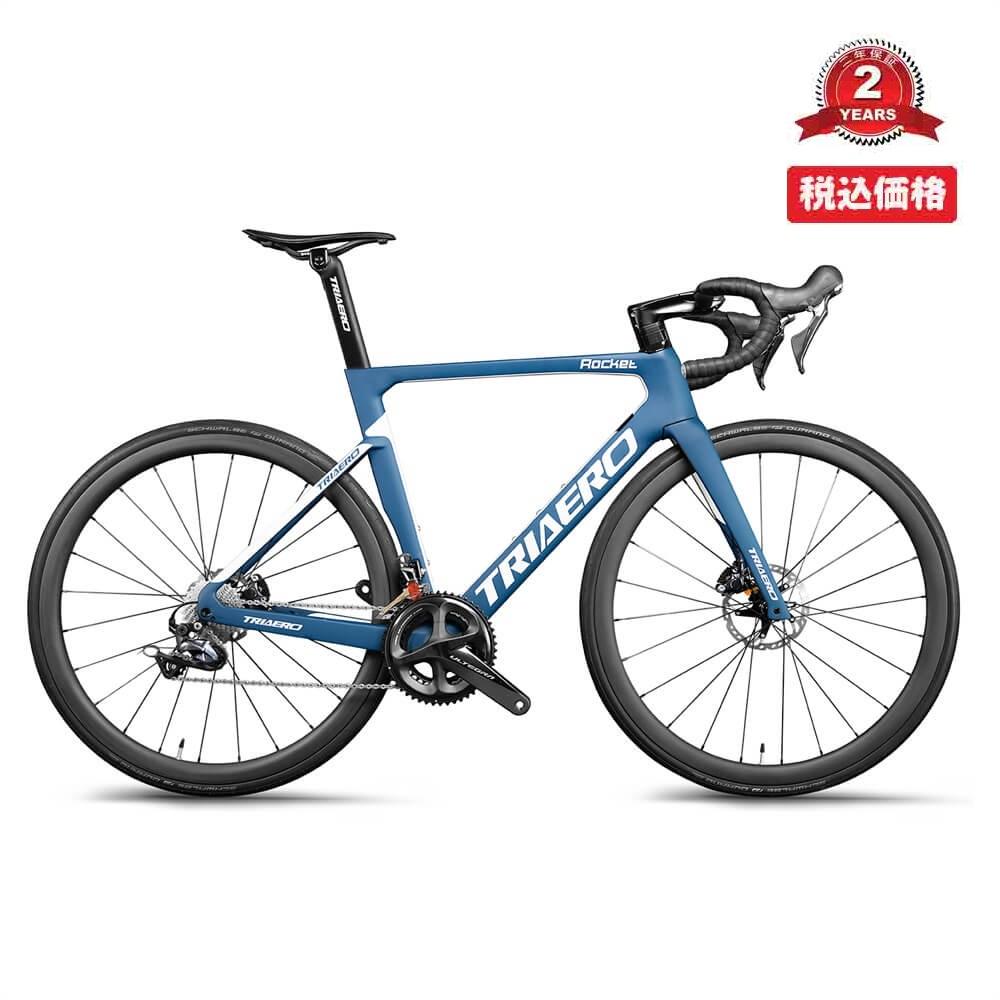
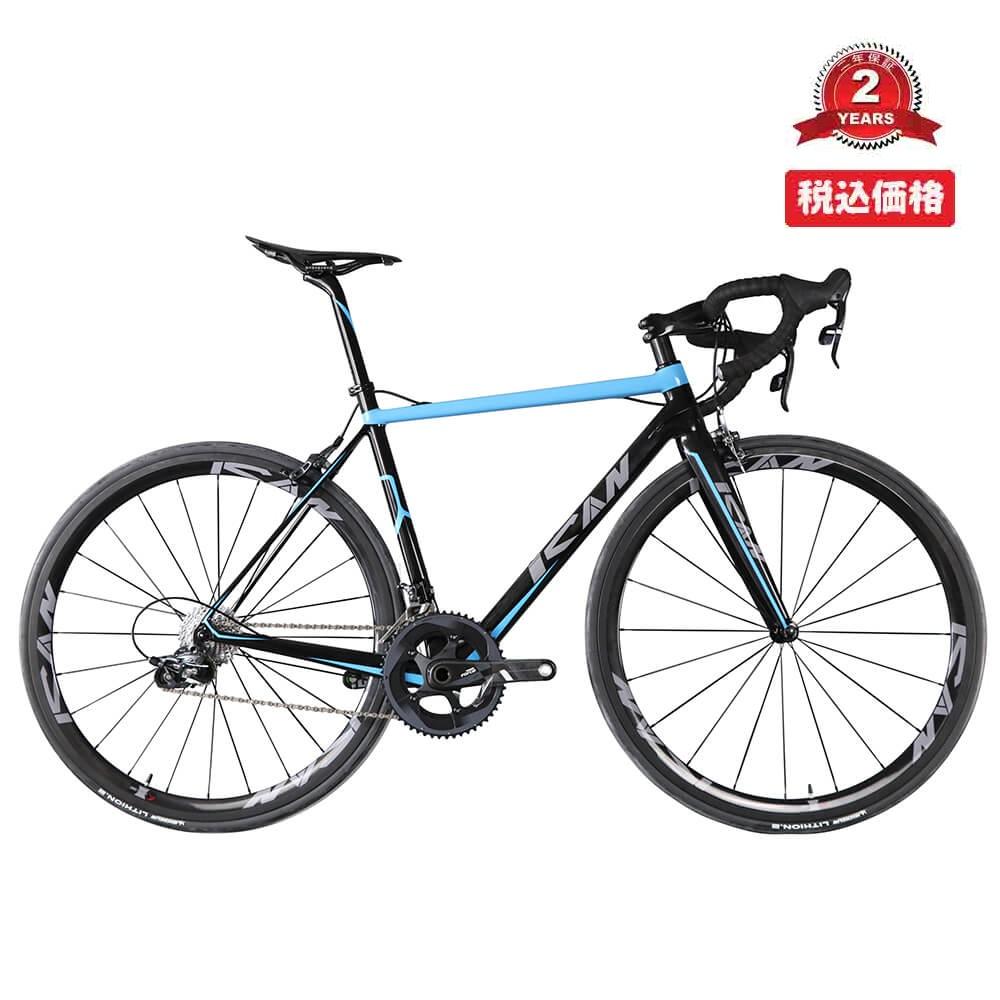
④ Road bikes, full-fledged sports bikes like MTBs
Unless you're already accustomed to riding these, I don't think they're suitable for immediate commuting.
Mudguards and baskets don't really suit road bikes, and MTBs are a bit too bulky for city use.
However, if this is an opportunity for you to venture into serious sports bikes, you're more than welcome!
6. How to purchase
If you're not very familiar with bicycles, we recommend purchasing them at a physical store.
They provide valuable support regarding handling instructions and after-sales maintenance.
The price of bicycles usually doesn't have many discounts, unlike other products. This is because it includes assembly fees and adjustment fees. If you buy online just because it's cheap, you'll end up having to rely on a shop for adjustments anyway.
7. Finally
I know people who became noticeably slimmer after starting to commute by bicycle.
The changing seasons, the scent of flowers and grass, the expression of the city... bicycle commuting often leads to unexpected discoveries.
It doesn't have to be every day; why not start with a casual approach, like once a week?